News · 14 min
GTA 6 LOVE Magazine Interview: Lucia’s Backstory, Jason, Raul and the American Dream
TGG read the printed pages of LOVE issue 27 live on October 5, 2026: an eight-person Rockstar interview titled “The American Dream”. This article paraphrases the printed wording with each speaker’s title, corrects the Newark line in the X summary, and keeps TGG’s readings apart from what Rockstar said.

Written by
TGG
The readings of LOVE issue 27’s printed pages, shown in photos posted on X by @videotech and supplied by @topkaj777, and every reaction and prediction attributed to TGG on this page, come from TGG’s live stream of October 5, 2026. The frames are from that stream; the artwork is © Rockstar Games, as printed.
The GTA 6 LOVE magazine interview is an eight-person Q&A with Rockstar in issue 27, headlined “The American Dream”, and its clearest new detail about Lucia Caminos is that she is written from the women her writers know, with Liberty City printed as her hometown. TGG read the printed pages live on October 5, 2026, from photos posted on X. This article paraphrases what LOVE printed, with each speaker’s printed title, quotes only a few lines word for word, and keeps TGG’s own readings apart from what Rockstar’s people said.
What is the GTA 6 LOVE magazine interview?
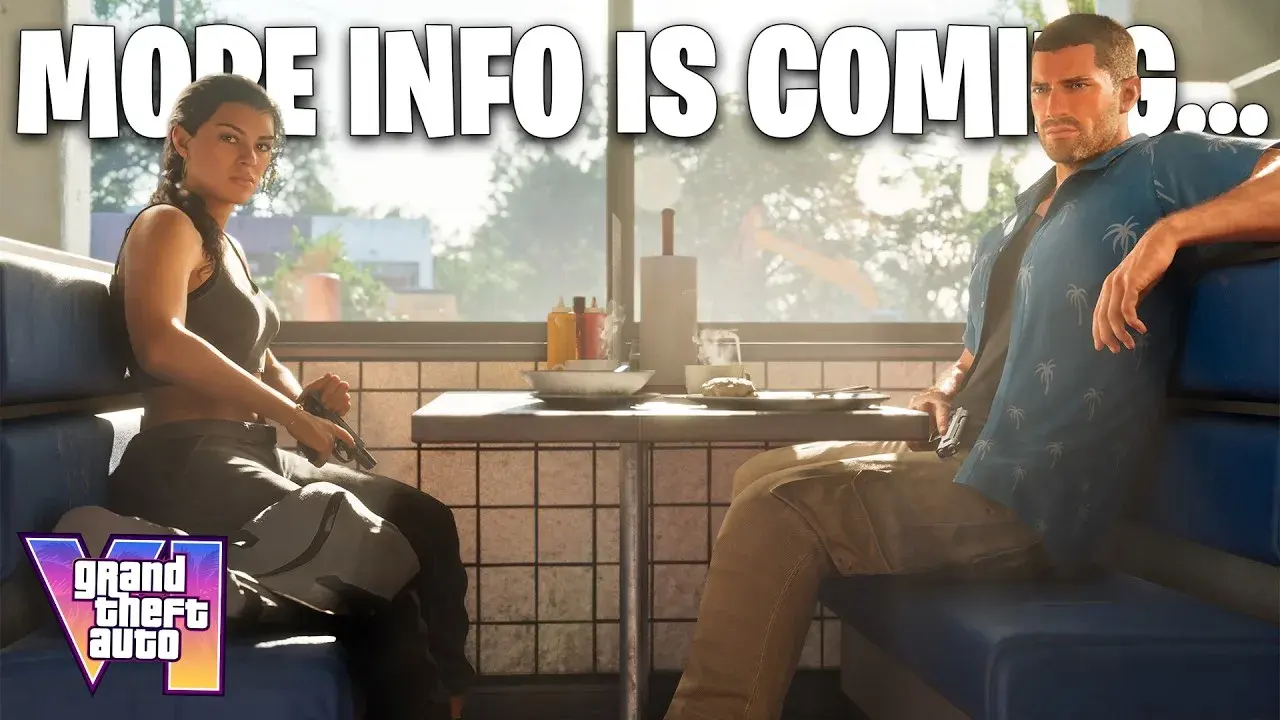
It is the cover feature of LOVE issue 27, written by Kacion Mayers, with the credit line “Artwork ROCKSTAR GAMES” printed under the standfirst. The opening spread puts Lucia and Jason in a diner booth under a title that runs across both pages, “The American Dream”, and a standfirst saying the team behind Grand Theft Auto VI reflects on Florida, satire and building worlds players never want to leave. The magazine had announced the issue a few days earlier, as covered in our Miami Heat collab article, which is where this piece picks up.
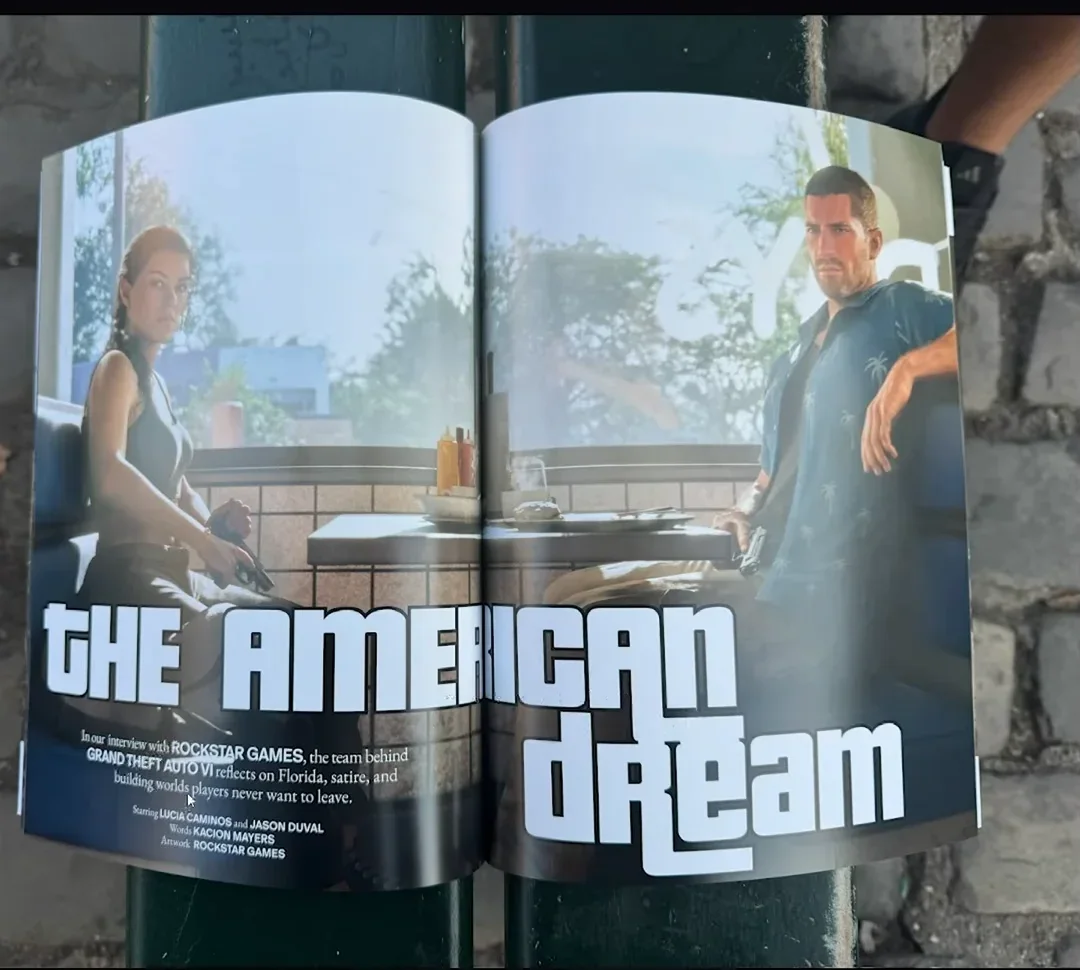
TGG says the issue came out in France and that the photos were taken from a news stand there. The pages in the photos are printed in English. He had no article to open, only photos, so he zoomed in page by page, and said so at the start, calling it an old-school stream. The frames show pages 101, 104 and 107, the page facing 107, the opening spread and a full-page black-and-white image. Pages 102, 103 and 105 are not shown in the video.
LOVE’s own introduction, which is the magazine’s voice and not Rockstar’s, frames the story as a GTA love story that puts players in the roles of Lucia Caminos and Jason Duval, two lovers on the run across the state of Leonida, which it describes as Rockstar’s take on modern Florida. It also says Rockstar has spent nearly all of the 13 years since the last game building it. Both are LOVE’s statements, so we treat them as the magazine’s framing rather than a Rockstar announcement.

Who is quoted in the interview, and who said what?
Eight people appear on the printed pages: the interviewer and seven Rockstar staff. TGG names only four of the Rockstar speakers aloud (Nelson, Garbut, Humphries and Horton), so several answers he reads without a name belong to others. The table follows the page, not the audio.
| Speaker, with the printed title | What they answer |
|---|---|
| Kacion Mayers, LOVE (interviewer) | Asks every question |
| Rob Nelson, Head of Development/Co-Studio Head, Rockstar North | Games as an art form; the development process |
| Aaron Garbut, Head of Development and Co-Studio Head, Rockstar North | Florida research trips |
| Michael Kane, Vice President of Art: Dynamic | Florida’s look and how characters are shown |
| Rupert Humphries, Senior Vice President of Narrative | Satire, the American dream, Jason, Raul, politics, radio and ads |
| Elizabeth Gauvey-Kern, Game Writer | Writing Lucia as a protagonist |
| Alexa D’Agostino, Game Writer | Writing Lucia from the women she knows |
| James Horton, Writing Director: Open World | The pedestrian-dialogue team |
What does LOVE say about GTA 6’s Lucia backstory?
Two game writers answer, and neither describes a plot. Elizabeth Gauvey-Kern, Game Writer, says the team wanted both protagonists to be vulnerable and tough, flawed, sometimes right and sometimes wrong, and able to learn from each other, which she says made them authentic and a great team. Her answer also mentions the actress who plays Lucia, and names no one. This article does not name anyone either.
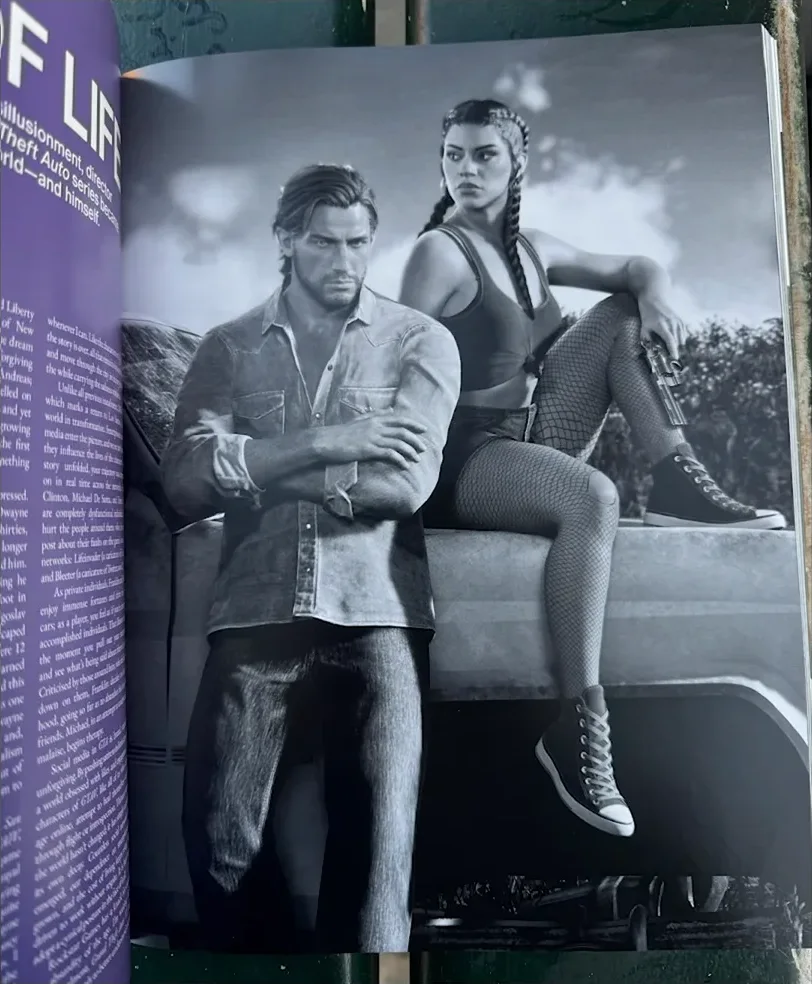
The line that matters most for her backstory is Alexa D’Agostino’s, Game Writer: “When it came to writing Lucia, I thought of the women I know.” She goes on to describe her own mother as an immigrant who grew up in Newark, New Jersey, close to Lucia’s hometown of Liberty City, and says her mother raised her in a way she calls rowdy and kind. She adds that she related a lot to Lucia and that writing her came very naturally. The goal, she says, was a character who is perfectly imperfect, with clichés but also undeniably real, able to stand beside Arthur Morgan and Niko Bellic.
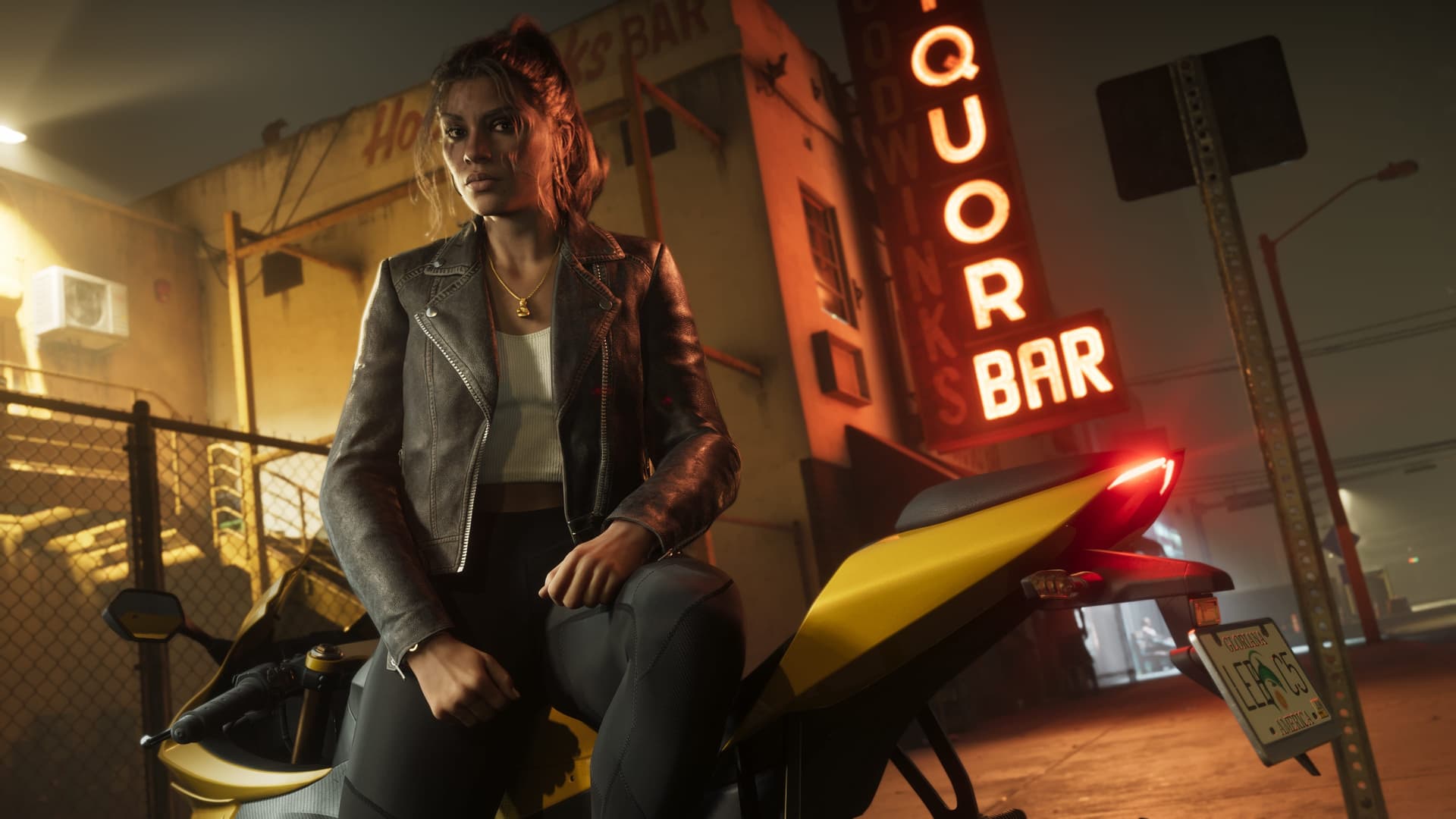
So the printed facts are narrow. Liberty City is named as Lucia’s hometown. Newark belongs to the writer’s mother. The X summary that went around on October 5, 2026 (by ben, @videotech, with photos from @topkaj777) turned that sentence into a Lucia raised around Newark and New Jersey, near Liberty City, which is not what the page says. This matches Rockstar’s own character page for Lucia, which speaks of the good life her mom has dreamed of since their days in Liberty City.
The immigrant background in that summary comes from D’Agostino describing her own mother. Rob Nelson and Rupert Humphries say nothing printed about Lucia’s family. What Humphries does say is that Lucia had to be someone who wanted a better life for herself and would not let obstacles stop her getting it.
What does the interview say about Jason Duval?
Less than Lucia, and TGG says so, wanting to hear a bit more about Jason. The interviewer asks whether Jason’s arc, including his time in the Army, is a story about failed social mobility. Rupert Humphries answers: “We didn’t want to make any kind of statement with Jason’s backstory.” He continues that Jason turns to drug trafficking and bank robbery because of his material circumstances, and that much of it is up to the player to decide: whether he had to, or whether it is a choice he makes because he is wired differently from other people.
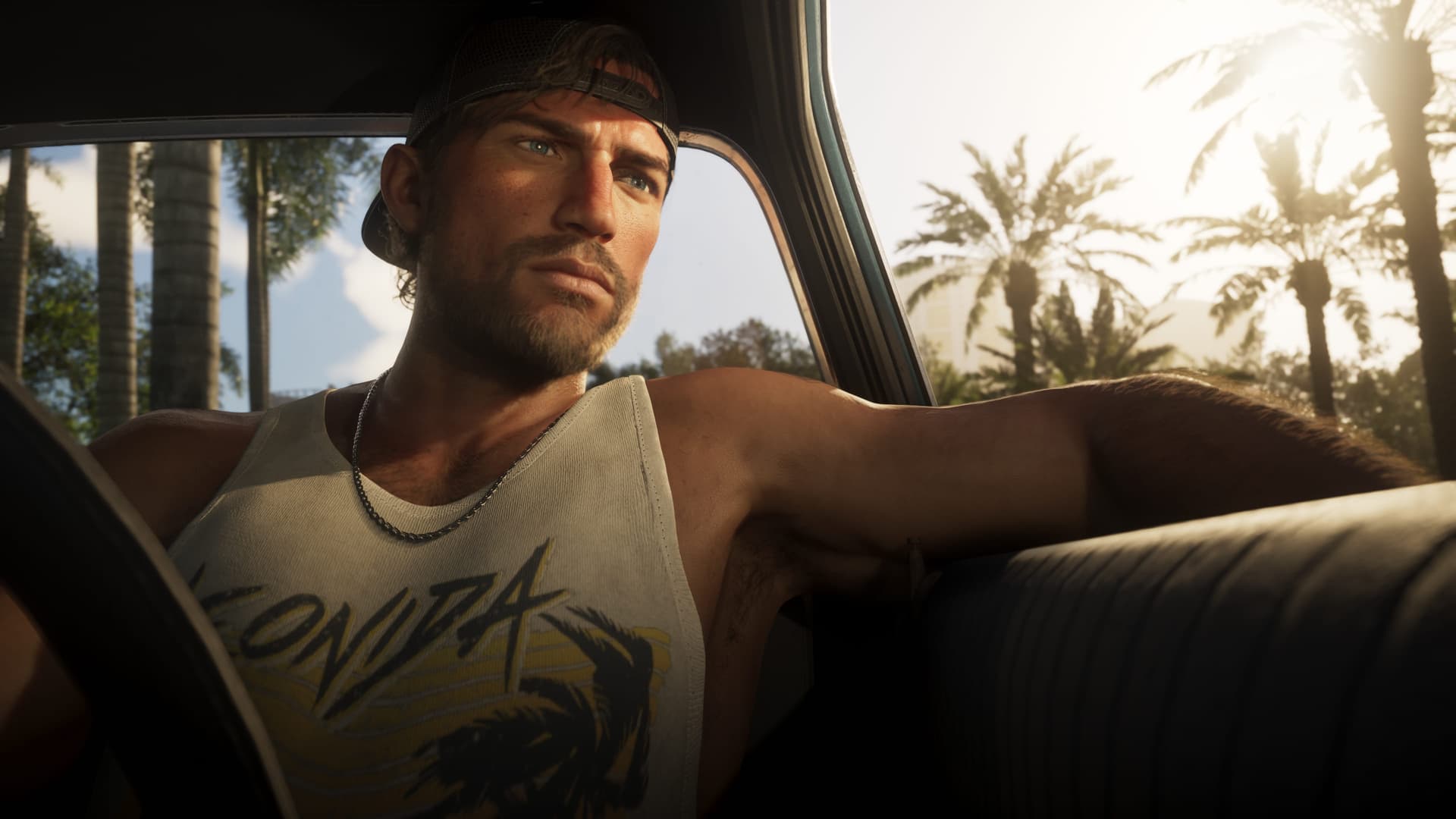
That sentence is about how to read the character. It does not say that the player steers Jason’s decisions in the story, and the page does not say it anywhere else. The question about the pair’s contrast comes from the interviewer, who asks whether Lucia is the engine and Jason the brake. Humphries replies that the two characters needed to complement each other and push and pull each other through the story, and that this came out of writing them together in scenes. Rockstar’s earlier words on the pair are in our Game Informer cover story article.
TGG’s own readings, which are his and not Rockstar’s: he takes Jason to be more low-key and forced into crime by default, and he expects Jason to face a decision late in the story that decides the ending. Nothing on the printed pages says either.
Who is Raul, and what is the Bonnie and Clyde premise?
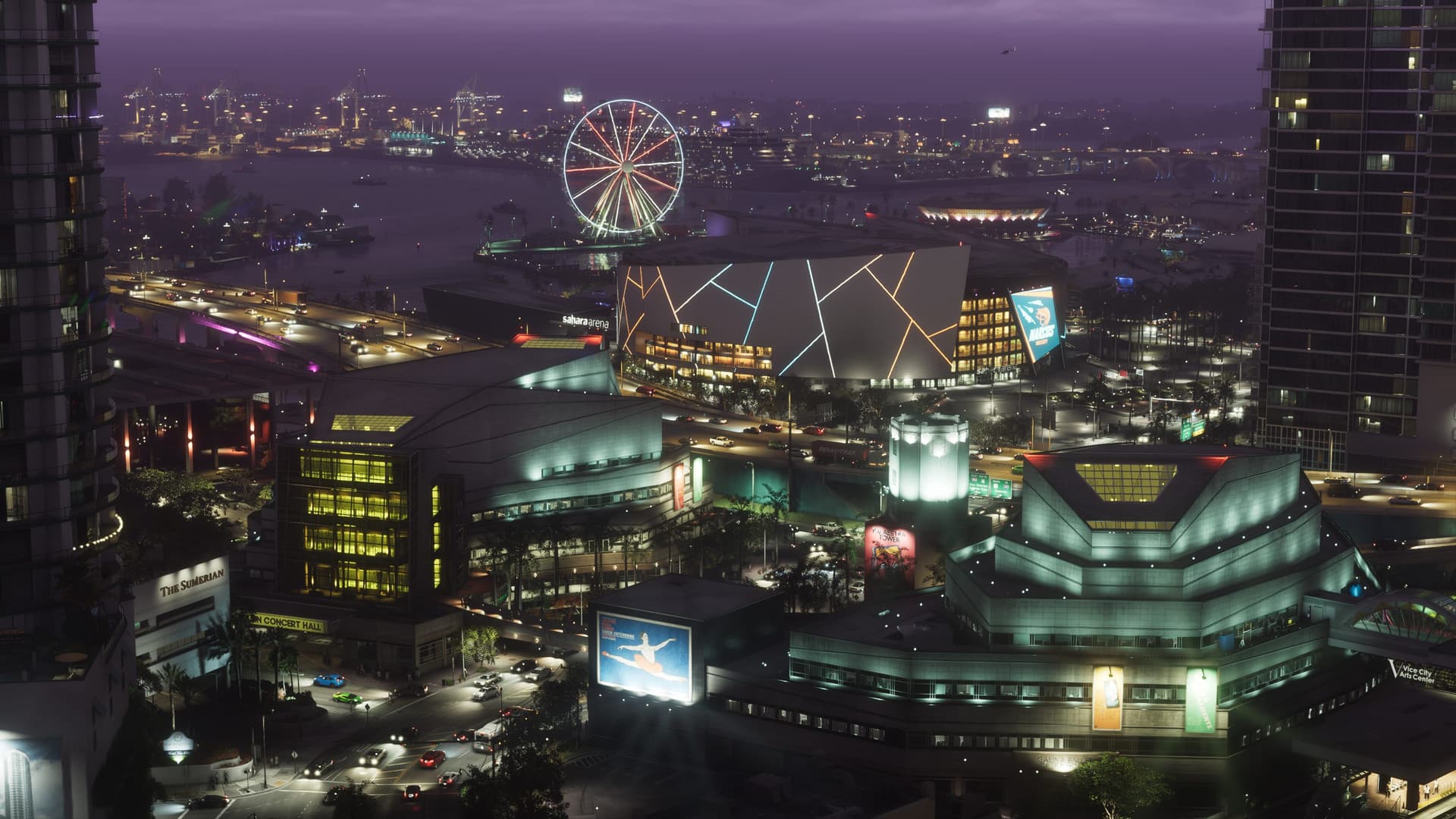
Asked how Raul represents a different side of Leonida’s underworld, Humphries gives the premise of the whole game: a Bonnie and Clyde-style narrative, he says, is a story about young people, who could not be too experienced or jaded. The same answer holds the line the magazine pulled out in large type on page 107, about how hopeful and naive it is to go on the run and push a crime spree to its limit without worrying about the consequences.
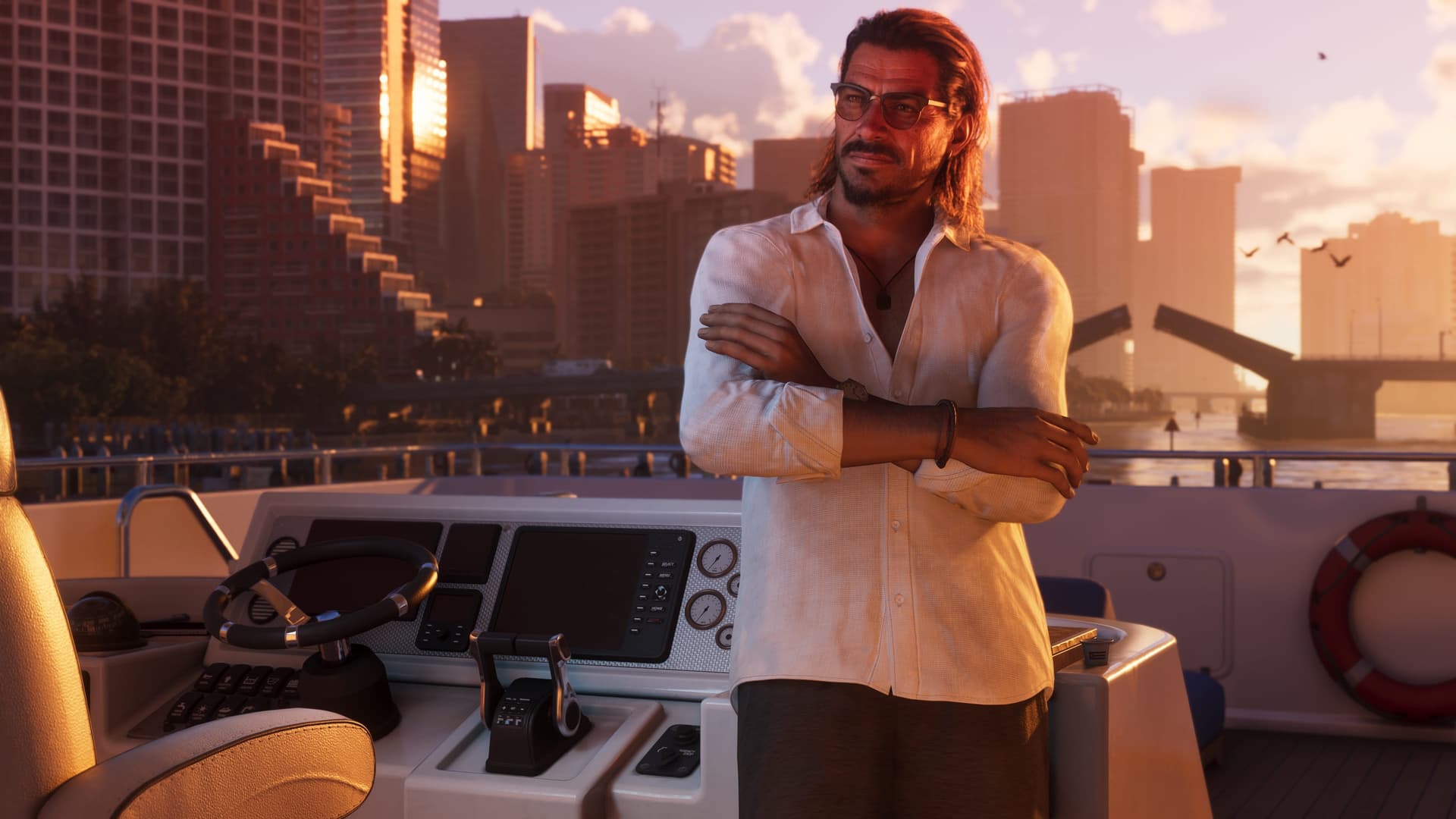
Humphries then says why Raul exists: the story needed an older mentor to bring the pair into the large-scale heists and set pieces expected of a big action crime saga. Rockstar also wanted a character to embody Vice City and bring a knowing Miami-cool into the game. His last sentence is the useful one: “Raul embodies all the local and criminal knowledge that Jason and Lucia don’t have when they get to Vice City.” The answer gives no heist, payout or mission. For what is known about the jobs themselves, see our GTA 6 heists guide, the heist planner and the GTA 6 robbery tiers.
What does the interview say about the American dream and money?
This is the passage TGG cared about, and it is short. Asked whether the American dream has collapsed or mutated, Humphries says: “Some would say the American Dream collapsed a long time ago.” He recalls that GTAIV told an immigrant’s story meant as hollow commentary on the illusion of America as a land of opportunity, and that GTAV doubled down on it with cynicism. Then comes the line about money: the dream may be more modest now, “a house for your family and your loans paid off” instead of wild success, and he adds that today even that may be just as out of reach for the average person.
He closes with a Florida line: Miami and Southern Florida, he says, are a particular front line for the battle between astronomical wealth and unbounded ambition, a pressure cooker for all kinds of insanity.
| Money in the printed interview | Status |
|---|---|
| The American dream may now be “a house for your family and your loans paid off” | Printed, Rupert Humphries, Senior Vice President of Narrative |
| A payout, a price, a loan or any in-game cash figure | Not in the interview |
| Loans as a game mechanic | Not in the interview; TGG’s reading only |
| Whether Lucia and Jason can buy property | Not in the interview |
TGG reads the loans line as a hint that you will have to pay people back to progress the story. That is his inference. Humphries is describing what ordinary people want in the story’s world, and the page never describes a system. Everything confirmed about cash in the game is in our GTA 6 money guide, and we do not state a payout here because the interview has none.
How does GTA 6 handle satire and politics, according to the interview?
Humphries explains the method in a few sentences. He says Rockstar is led by what makes the team laugh, and that all the characters, from the billionaires to those down on their luck, are meant to share the human weaknesses that make great targets for satire. He argues that a contemporary setting needs more force than a historical one: after making a Western, where the main task was recreating a historical period, doing the same for today would only reproduce the world outside your window. So the world has to be more over the top, more insane and more in your face.
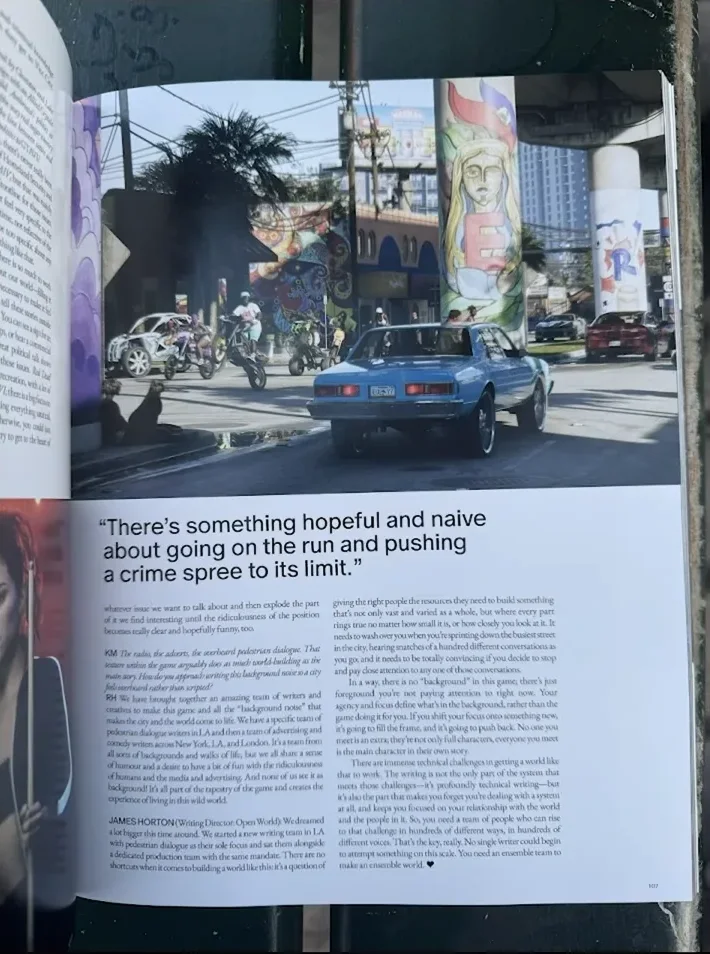
Because development takes years and years, he says, content must still feel vital at the moment of release, so a trend that blows up for six months has to be seen for what it is and not chased. The targets Rockstar kept are conspiracy theories and the strange ways the public reacts to everyday occurrences, written as the team’s own slanted, overblown versions rather than a like-for-like copy of something real.
On politics, the answer is a boundary. Past games had little national politics, except GTAIV, where he calls post-9/11 New York a real frontline. The team does not want to be too specific about any particular person, event or movement. In Florida, he says, stories can come through an election sign, a robocall from a campaign, a commercial on the radio and political talk shows on the radio. TGG wondered whether such calls can be blocked. Whether they can is unknown.
What did Rockstar’s Florida research trips involve?
Aaron Garbut, Head of Development and Co-Studio Head, Rockstar North, answers the research question at the greatest length in the piece. Every game Rockstar makes starts with research trips, he says, which begin small with a few people and return with more of the team. For this game, a small group spent time travelling from Miami through some of the surrounding towns and through the Florida Keys down to Key West. He calls it one of the best parts of the entire project, a car full of friends driving for days on end.
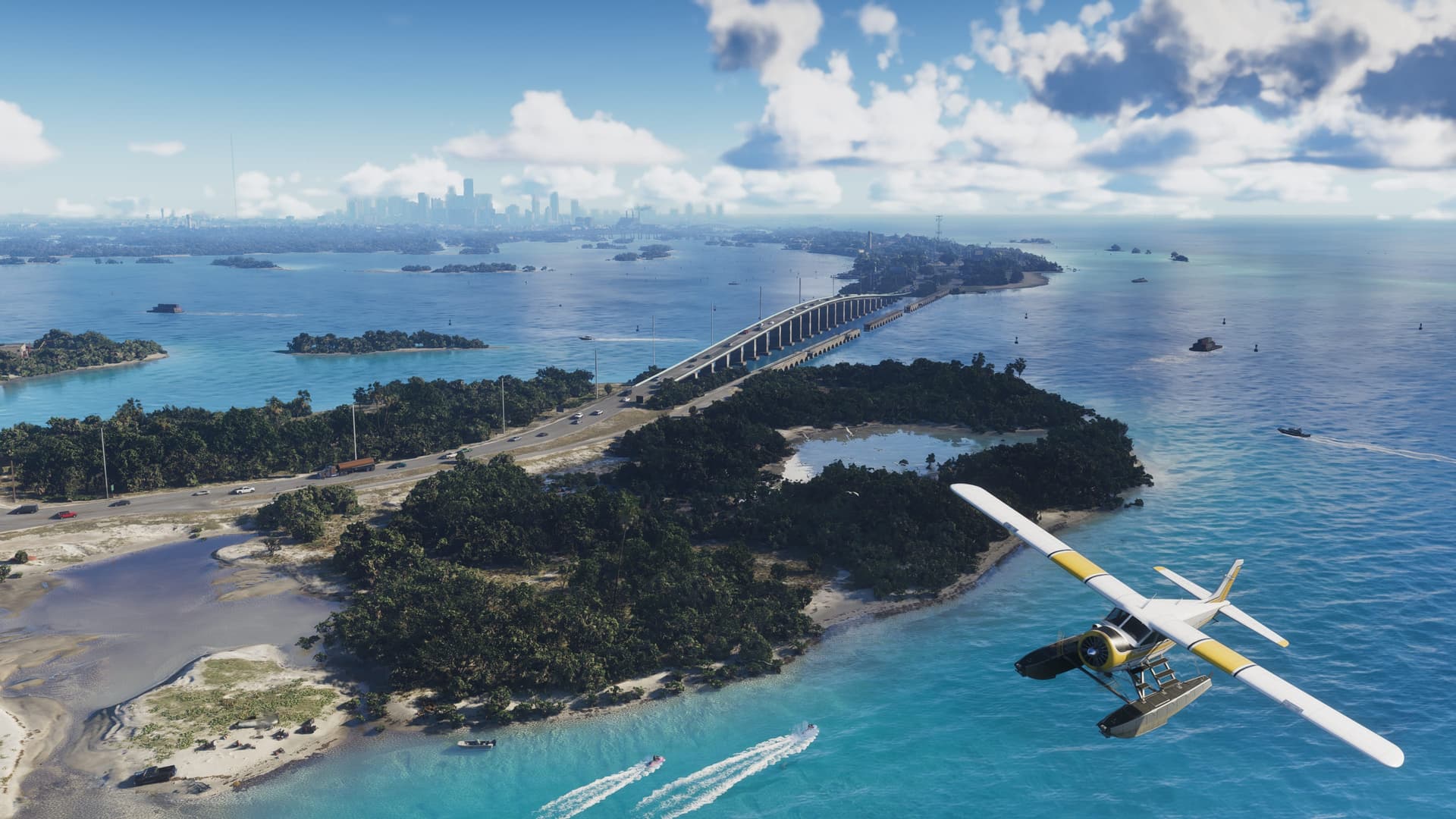
The details are specific. Garbut says he sits with a camera and a phone, constantly recording, and that he and some of the art directors spent a day literally hanging out of the side of a helicopter, filming the Everglades and the city from the air, low and fast over the mangrove inlets and high over downtown and the beach. They ended up hovering over a stadium concert that turned out to be Beyoncé, and he thinks they made the local news the next day.
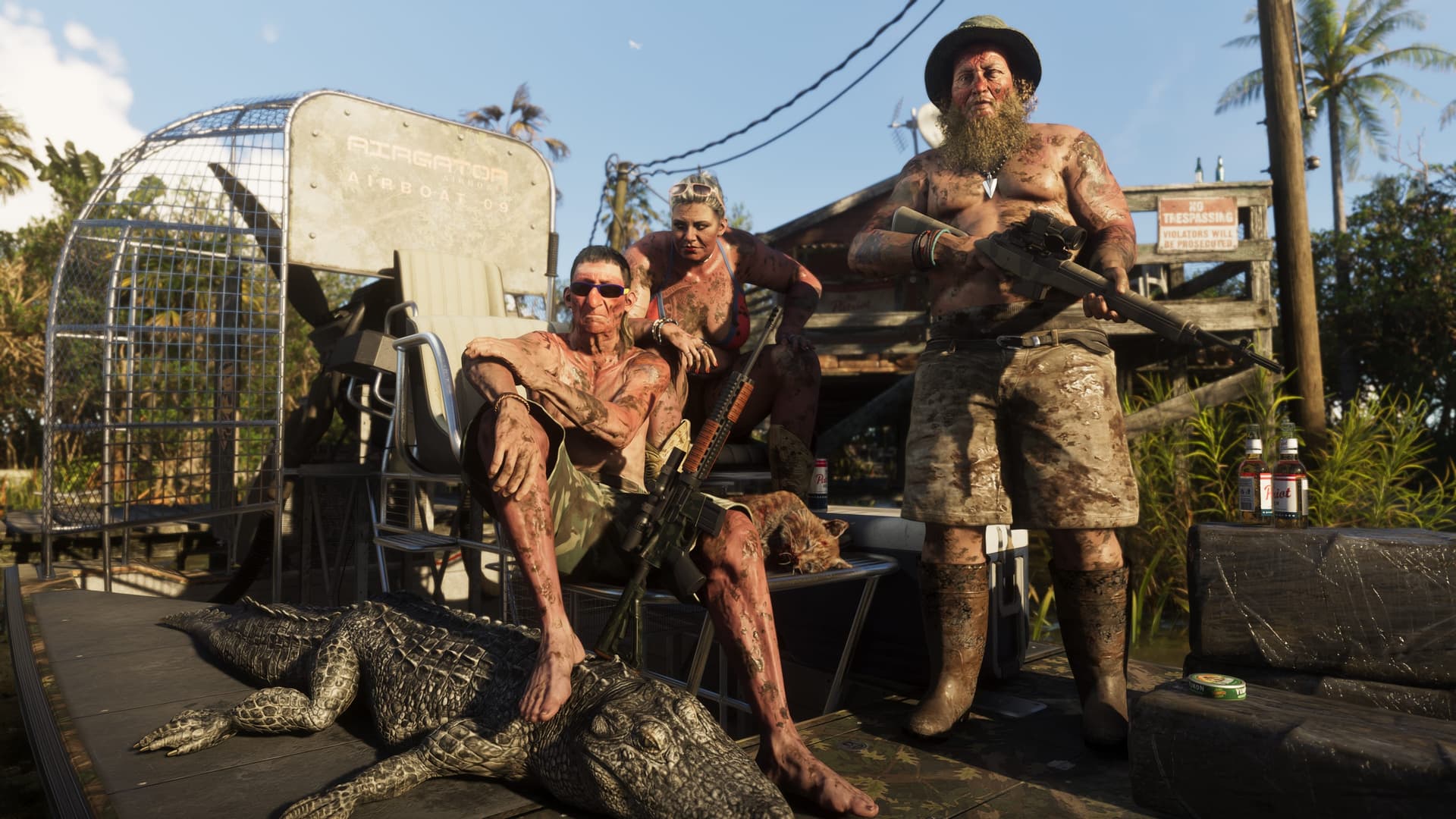
The darker part: the team travels around with cops and with gang members. “Everyone is lovely. Some people are equally scary.” He says the stories, places and details could be terrifying, and sums Miami up as lovely people, incredible wealth and poverty, excess, craziness, the hustle and showing it all off. These extremes, he says, find their way into the game in surprisingly direct ways. That last sentence is the only printed link between a trip and the game, and he names no scene. Key West is named as a stop on the research trip, not as a place in the game. TGG hopes it is in the game, and that is a hope; see the map and locations for what Rockstar has shown.
Michael Kane, Vice President of Art: Dynamic, answers a question that lists Vice City, Leonida Keys, Grass Rivers, Port Gellhorn, Ambrosia and Mount Kalaga. The list is the interviewer’s, and TGG does not read Kane’s answer aloud. Kane says Florida is a blessing as reference, and that characters are shown through a visual shorthand of clothing, styling, cosmetics and hairstyles that represents all the tones of Leonida.
What is the pedestrian-dialogue team in GTA 6?
Humphries says there is a specific team of pedestrian dialogue writers in LA and a team of advertising and comedy writers across New York, LA and London, and that none of them see it as background. James Horton, Writing Director: Open World, gives the detail: Rockstar started a new writing team in LA with pedestrian dialogue as its sole focus and sat it alongside a dedicated production team with the same mandate.
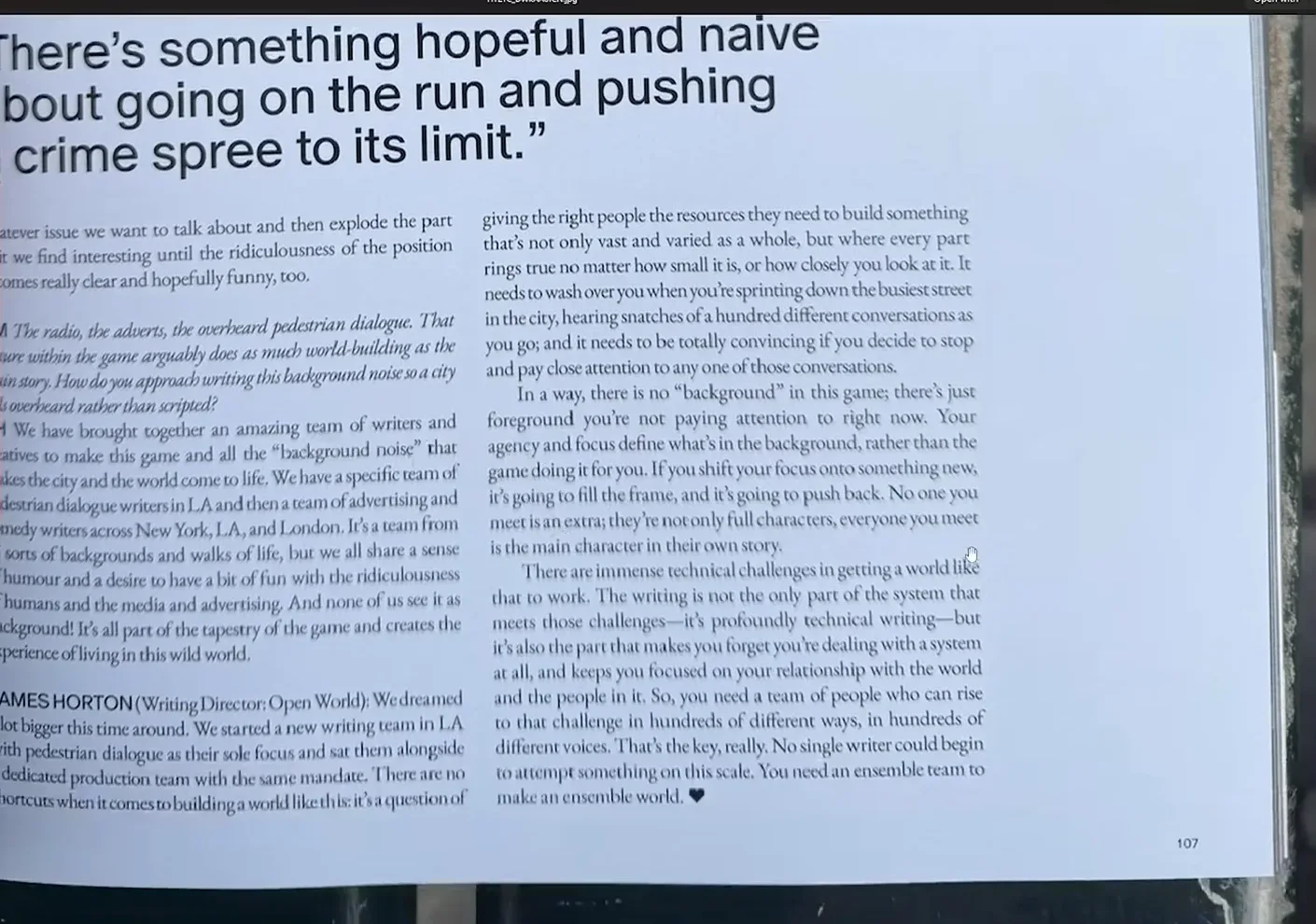
Horton’s answer is the one with the strongest claim about how the game will feel. The writing must wash over you as you sprint down the busiest street in the city, catching snatches of a hundred conversations, and still be totally convincing if you stop and pay close attention to any one of them. He adds that in a way there is no background in this game: “there’s just foreground you’re not paying attention to right now.” No one you meet is an extra, he says; everyone is the main character in their own story, and an ensemble world needs an ensemble team.
These are developer intentions, not a feature list. The page does not say how many pedestrians speak, how many lines exist, or whether you can talk to them. Nothing in the printed text describes what happens when you stop and listen, only that the writing is meant to hold up if you do.
What does TGG think of the LOVE interview?
TGG’s verdict at the end of the stream is that roughly 95% of it is stuff fans already knew, with a little new information. That is his count, not a measurement. The new parts, by our reading of the printed pages, are D’Agostino’s Liberty City line, Humphries’s house-and-loans sentence, the Garbut stories about the helicopter and the Keys, and Horton’s LA team. He also says he refuses to believe the game will not visit Liberty City. That is TGG’s belief; the page names Liberty City only as Lucia’s hometown, and Rockstar has not said whether it is a place you can go. For the full launch picture, see the editions and pre-order pages.
What is not known yet about the LOVE interview?
The table below lists what went around on October 5, 2026 and what the printed page supports. The photos reached TGG through X, not through an official release.
| Claim going around | What the printed page says |
|---|---|
| Lucia was raised near Newark | Not printed. Newark is where a writer’s mother grew up; Liberty City is Lucia’s hometown |
| Players influence some of Jason’s choices | Not printed. The page says it is up to the player to decide how to read why Jason does what he does |
| Players could spend hundreds of hours in Vice City | Not printed. LOVE’s intro speaks of endless hours of gameplay, with no number; Humphries speaks of players spending hours of their lives |
| Even small areas get extensive detail | Not printed in that form. Horton says every part rings true no matter how small it is, about dialogue |
| Research with parts of the state tourists rarely see | Not printed. Garbut says they travel with cops and gang members and see the underside |
Still unknown: when the photos were taken relative to the issue’s release, the contents of pages 102, 103 and 105, and whether any quote was cut for print. What the game does with any of this will only be known when it launches on November 19, 2026. The magazine also gives no price, mission or payout, and none is stated on this page.